If Earth Spun Twice as Fast, Days Would Be 12 Hours
Cosmic What-Ifs150 views
393 views
In 1967, astronomers picked up a signal so perfectly timed, so impossibly regular, they genuinely wondered if it was aliens.
A Cambridge grad student named Jocelyn Bell spotted it: a pulse arriving every 1.3 seconds, steady as a metronome, for nights on end. The source turned out to be a dead star the size of a city — just 20 kilometres wide, yet heavier than our Sun, with gravity billions of times stronger than Earth's.
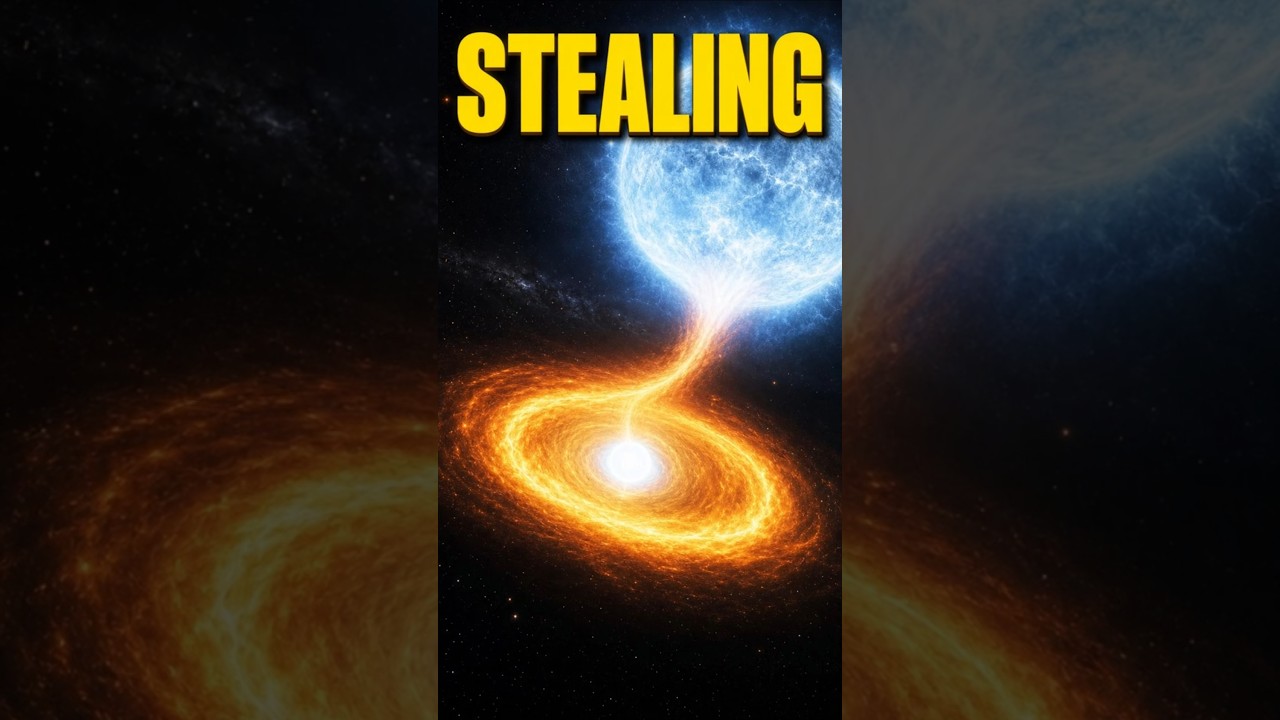
When a massive star dies in a supernova, its core collapses so violently that protons and electrons are crushed into neutrons. What's left is a neutron star — the densest stable object known. A single teaspoon of it would weigh about a billion tons on Earth. Many of these spin, and as they rotate, twin beams of radiation sweep through space like a lighthouse. When a beam crosses Earth, we get a pulse — so clockwork-precise that Bell and her supervisor half-jokingly labelled the first one LGM-1: Little Green Men 1. It took weeks of work to rule out an alien transmission. The truth was almost stranger — physics pushed to a breaking point. And the real shock came later: some pulsars don't tick once a second. They spin hundreds of times faster.
The fastest pulsar we've ever found spins 716 times every single second — its surface moving at nearly a quarter of the speed of light. These objects are real, out there right now in our galaxy, tearing through spacetime. And the very first one we found, we almost mistook for someone saying hello.
Follow The Cosmic Vault — the universe is stranger than you think.